


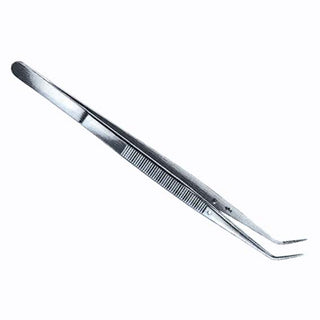

A plaster knife is a practical dental laboratory tool used to trim, shape and refine dental plaster, dental stone and model materials. Across Australian dental laboratories, clinics, universities and training environments, plaster knives support accurate model preparation as part of a wider dental laboratory equipment workflow.
For buyers searching “plaster knife”, “dental plaster tools”, “dental stone tools” or “what is a plaster knife used for in dentistry”, the need is clear. They want durable, easy to handle instruments that support clean model work, efficient trimming and consistent laboratory results.
What is a plaster knife used for in dentistry?
A plaster knife is used to cut, trim, shape or remove excess plaster and stone from dental casts, models and laboratory workpieces. It helps dental technicians and students refine rough edges, clean model bases and prepare casts for further laboratory procedures.
Plaster knives are commonly used with:
- Dental plaster
- Dental stone
- Dental gypsum
- Die stone models
- Study models
- Working casts
- Prosthetic model work
- Orthodontic model preparation
In a dental laboratory, a plaster knife often works alongside spatulas, mixing bowls, model trimmers, dental wax knives and other dental laboratory instruments.
Where plaster knives fit in lab stone and plaster workflows
Dental model workflows usually begin with an impression, followed by pouring dental plaster or dental stone into the mould. Once the model sets, technicians need to inspect, trim and refine it before using it for prosthetic planning, education, orthodontic review or laboratory production.
A plaster knife supports this finishing stage. It helps remove excess material, tidy edges and prepare the model for trimming or mounting.
This makes plaster knives relevant to both product buyers and workflow planners searching for dental laboratory equipment, dental lab tools and dental technician supplies in Australia.
Dental plaster, dental stone and plaster knives compared
Dental plaster and dental stone are both gypsum-based materials, but they serve different model-making purposes. A plaster knife can support both materials, although the handling experience may differ depending on hardness, thickness and the stage of set.
Dental plaster
Dental plaster often suits study models, preliminary casts and educational model work. It is generally easier to trim than harder dental stone, so plaster knives can help shape and clean models during routine preparation.
Dental stone
Dental stone provides greater strength and is often used when durability and detail matter. Trimming dental stone may require more control, sharper tools and careful handling to avoid chipping or damaging model detail.
Plaster knife
A plaster knife is the hand tool used to refine these materials after setting. It supports manual control where a model trimmer may be too aggressive or where detail work needs more care.
Plaster knife vs wax knife and trimming tools
A plaster knife is designed for plaster and stone model work. A wax knife is usually used for shaping and manipulating dental wax. While both belong to dental lab tools, they should not be treated as the same instrument.
Plaster knives help with harder gypsum materials. Wax knives suit softer wax patterns and modelling tasks. Model trimmers, handpieces and other powered equipment may support larger adjustments, but a plaster knife remains useful for controlled manual shaping.
For buyers asking “what knife is used to trim dental stone”, a plaster knife is one of the most relevant hand tools for model finishing and cast preparation.
How to choose a plaster knife for dental laboratories
Australian buyers should choose plaster knives based on handling comfort, durability, blade design and suitability for the intended laboratory workflow. A dental clinic may need a reliable tool for occasional model preparation. A dental laboratory or training provider may need multiple plaster knives for daily bench work.
Key buying considerations include:
- Intended use with dental plaster or dental stone
- Handle comfort and grip control
- Blade shape and working edge
- Durability for repeated model trimming
- Ease of cleaning and maintenance
- Suitability for training or professional use
- Compatibility with existing dental lab workflows
- Availability for repeat ordering
- Storage and safety requirements
For B2B buyers, consistency matters. Standardising plaster knives across benches can help reduce training issues and simplify procurement.
Dental laboratory equipment for model accuracy
Accurate model work depends on more than one product. Dental plaster, dental stone, water ratio, mixing technique, vibration, setting time and trimming tools all affect the finished result.
A plaster knife can support accuracy by helping technicians refine the model after set without removing too much material. Careful trimming helps maintain model integrity, clear edges and usable bases.
Good practice includes:
- Follow manufacturer instructions for dental plaster and dental stone
- Measure powder and water accurately
- Use clean mixing bowls and spatulas
- Allow the model to set properly before trimming
- Trim gradually rather than forcing the tool
- Inspect casts for bubbles, cracks or rough edges
- Store finished models safely to prevent damage
These steps help reduce remakes, support laboratory efficiency and improve consistency across model preparation workflows.
Infection control and reusable dental laboratory tools
Reusable dental laboratory instruments require suitable cleaning, handling and storage. The Australian Dental Association provides infection prevention and control resources to help dental practices apply national standards, guidelines and handbooks in dental settings through its infection prevention and control resources.
The Therapeutic Goods Administration explains that medical devices in Australia may include a wide range of products, and medical devices generally need inclusion in the ARTG unless exempt or excluded. Buyers can review the TGA’s medical devices guidance when considering regulated healthcare products and intended use.
Dental teams should follow local procedures and manufacturer instructions for cleaning plaster knives, separating clean and used tools, and storing instruments safely between uses.
Safety, ergonomics and laboratory efficiency
Plaster knives are hand tools, so safe use matters. Staff and students should cut away from the body, use controlled pressure and avoid using damaged or unsuitable tools. Safe Work Australia provides guidance on managing hazardous manual tasks, including identifying and controlling risks that may contribute to musculoskeletal disorders in workplaces through its hazardous manual tasks code of practice.
In dental laboratories, efficient tool handling can reduce strain and improve productivity. A comfortable plaster knife with a practical grip can support repeated trimming tasks, especially in education and laboratory production settings.
Storage, durability and procurement planning
Plaster knives should be stored clean, dry and protected from damage. Dental plaster and dental stone materials should also be stored in dry, sealed conditions to help maintain performance.
Procurement teams can improve stock control by asking:
- How many benches or students need plaster knives?
- Are knives required for dental plaster, dental stone or both?
- Do users also need spatulas, bowls, trimmers or wax knives?
- How often are tools replaced?
- Can the supplier support repeat ordering?
- Does the product suit clinical, laboratory or education use?
A planned approach helps avoid shortages, duplicate ordering and inconsistent tool selection.
Sustainability in dental lab supplies
Australian dental buyers increasingly consider durability, waste reduction and smarter purchasing. Reusable plaster knives can support sustainable procurement when teams clean, store and maintain them properly.
Sustainability can also improve through accurate mixing, careful trimming and fewer remakes. When laboratories reduce wasted dental plaster and dental stone, they also reduce cost, disposal volume and unnecessary rework.
Buy plaster knives and dental laboratory equipment in Australia
Plaster knives support practical, accurate and efficient dental model preparation. They help dental technicians, clinics and education providers trim dental plaster, refine dental stone and manage everyday lab stone and plaster workflows.
Medilab supports Australian buyers with dependable dental products, dental laboratory equipment and dental lab tools for clinical, education and laboratory environments. For teams sourcing plaster knives, dental plaster, dental stone and related model preparation supplies, a trusted Australian supplier can improve procurement confidence, stock consistency and day to day laboratory efficiency.
References
Australian Dental Association 2026, Infection Prevention and Control, accessed June 2026, https://ada.org.au/explore/topics/infection-prevention-and-control.
Safe Work Australia 2026, Model Code of Practice: Hazardous manual tasks, accessed June 2026, https://www.safeworkaustralia.gov.au/doc/model-code-practice-hazardous-manual-tasks.
Therapeutic Goods Administration 2026, Medical devices, accessed June 2026, https://www.tga.gov.au/products/medical-devices.