



Skin care products support daily hygiene, comfort and skin hydration across Australian homes, salons, aged care facilities, schools, clinics, workplaces and healthcare environments. Within the Beauty Supplies category, this range includes body lotion, sorbolene cream, soap, body wash, moisturising cream, body spray and skin gel for everyday personal care.
Australian buyers often search for “best body lotion for dry skin”, “what is sorbolene cream used for”, “body wash vs soap” and “where can I buy skin care products in bulk”. These searches show demand for practical skin care products that support cleanliness, moisture balance, sensitive skin needs, procurement efficiency and trusted supply.
What are body care and skin care products used for?
Body care products help cleanse, moisturise, refresh and protect the skin as part of a daily personal care routine. Products such as soap and body wash remove dirt, sweat and residue, while body lotion, moisturising cream and sorbolene cream help reduce dryness and support skin comfort.
Common uses include:
- Daily cleansing and hygiene
- Moisturising dry or sensitive skin
- Supporting aged care and disability care routines
- Supplying salons, clinics and wellness facilities
- Stocking school, workplace and accommodation bathrooms
- Supporting personal hygiene in healthcare settings
- Refreshing skin with body spray or skin gel
A strong category page should help users compare product types, choose suitable formats and understand where each product fits in a complete skin care routine.
Body lotion and moisturising cream for dry skin
Body lotion is a moisturising product used across larger areas of the body. It usually has a lighter texture than rich creams, which makes it practical for daily use after showering, hand washing or bathing.
Moisturising cream often has a thicker feel and may suit users who need more intensive hydration. Facilities that support older adults, frequent hand washing or dry environments may prefer both lighter lotions and richer creams so staff can match the product to user needs.
Buyers looking for body lotion in Australia often compare:
- Lightweight body lotion for daily use
- Hand and body lotion for shared care settings
- Moisturising cream for dry skin
- Fragrance free moisturiser for sensitive skin
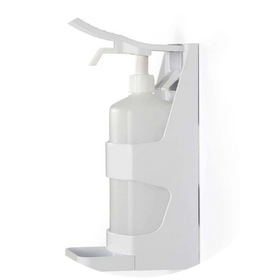
- Pump bottle formats for clinics and aged care
- Bulk body lotion for facility procurement
What is sorbolene cream used for?
Sorbolene cream is a simple moisturising cream commonly used to help relieve dry skin and support daily skin hydration. Many Australians know sorbolene as a practical, everyday moisturiser for sensitive skin, aged care, general personal care and frequent washing routines.
Sorbolene cream may suit buyers who need a straightforward moisturiser for shared facilities, patient care, personal care packs or workplace amenities. It can be useful where teams want a familiar, cost-effective moisturising option without building a complicated skincare range.
The Australian Industrial Chemicals Introduction Scheme explains that many personal care, skincare and cosmetic product ingredients in Australia are regulated as industrial chemicals unless the product is marketed as having therapeutic effects. You can read more through AICIS guidance on personal care and skincare products at https://www.industrialchemicals.gov.au/cosmetics-and-soap/personal-care-skincare-make-and-other-cosmetic-products.
Body wash vs soap: which should buyers choose?
Soap and body wash both support skin cleansing, but they suit different settings and user preferences.
Soap for simple daily cleansing
Soap remains a high-demand product for bathrooms, hand hygiene stations, accommodation, schools, gyms, clinics and personal care environments. Bar soap can be cost-effective and easy to store, while liquid soap can suit shared spaces where dispensers improve hygiene and portion control.
Body wash for convenient shower routines
Body wash offers a liquid cleansing format that can feel more convenient in showers and care settings. It may suit aged care, disability care, accommodation, salons, gyms and wellness facilities where users want an easy-to-dispense cleansing product.
When choosing between body wash and soap, buyers should consider skin type, fragrance preference, dispenser format, packaging, storage space, cost per use and user comfort.
Skin gel, body spray and supporting personal care products
Skin gel products can provide a lightweight, refreshing feel and may suit users who prefer fast-absorbing textures. Some skin gels are positioned for soothing, cooling or hydrating routines, depending on the formulation and product instructions.
Body spray supports personal freshness and can complement daily hygiene routines in workplaces, care facilities, salons, hospitality and personal use. Buyers should consider fragrance sensitivity, shared-space suitability and storage requirements.
A complete skin care category may include:
- Body lotion
- Sorbolene cream
- Moisturising cream
- Soap
- Body wash
- Body spray
- Skin gel
- Hand wash
- Cotton pads and wipes
- Personal care accessories
Compliance, labelling and product confidence in Australia
Australian buyers increasingly look for skin care products with clear labels, ingredient transparency and suitable use instructions. The ACCC Product Safety Australia cosmetics ingredient labelling standard sets mandatory requirements for ingredient labelling on cosmetic products sold in Australia. This helps consumers and procurement teams identify product contents and make informed choices. Read the standard at https://www.productsafety.gov.au/business/search-mandatory-standards/cosmetics-ingredients-labelling-mandatory-standard.
For facility procurement, clear labelling supports stock management, user safety and training. This matters for aged care, healthcare, schools, salons, laboratories, workplaces and accommodation providers where products may be used by many people with different skin needs.
Choosing skin care products for facilities and education settings
B2B and educational buyers need products that work for daily routines, not just individual preferences. A school may need soap and body wash for hygiene facilities. An aged care provider may need sorbolene cream, moisturising cream and body lotion for personal care. A beauty training provider may need skin care products for demonstrations, practice routines and salon-style learning.
When comparing products, consider:
- Skin type suitability
- Fragrance or fragrance free options
- Pump, bottle, tube or bulk format
- Storage life and carton quantity
- Clear ingredients and directions
- Ease of dispensing
- Suitability for shared environments
- Cost per use
- Supplier reliability and reorder speed
This approach supports efficient procurement and reduces product mismatch.
Australian skin care trends: hydration, sensitivity and sustainability
Australian skin care demand continues to centre on hydration, sensitive skin, dry skin support, practical body care and ingredient transparency. Sun exposure also shapes daily skin care conversations in Australia. Cancer Council Australia states that sunscreen forms one part of sun protection and should be used with protective clothing, hats, sunglasses and shade. Its sunscreen advice is available at https://www.cancer.org.au/cancer-information/causes-and-prevention/sun-safety/sunscreen/advice.
Sustainability also matters in beauty and personal care procurement. The University of Melbourne’s sustainable procurement guidance encourages bulk purchasing where practical, supplier consolidation and avoiding over-ordering, especially when products have shelf-life limits. See its procurement resource at https://sustainablecampus.unimelb.edu.au/sustainability-in-labs/procurement.
For skin care supplies, sustainable procurement may include:
- Choosing practical pack sizes
- Avoiding unnecessary product duplication
- Reducing packaging waste where possible
- Storing products correctly to prevent disposal
- Consolidating suppliers for facility orders
- Reviewing refill or bulk options where suitable
Storage and hygiene for skin care supplies
Good storage protects product quality and improves facility workflow. Store body lotion, sorbolene cream, soap, body wash, body spray, moisturising cream and skin gel in clean, dry areas away from excessive heat and direct sunlight.
Facilities should keep opened products closed, label shared stock clearly and rotate inventory so older items are used first. This helps reduce waste, improve hygiene and support reliable daily access.
Buy skin care products in Australia
Skin care products such as body lotion, body wash, soap, sorbolene cream, moisturising cream, body spray and skin gel support daily hygiene, comfort and personal care across Australian homes, clinics, salons, aged care facilities, workplaces and education settings.
Medilab supports Australian buyers with dependable beauty supplies and practical personal care products for everyday use. For organisations sourcing body lotion, soap, sorbolene cream and related skin care supplies, a trusted supplier can help improve availability, procurement confidence and day-to-day care efficiency.
References
Australian Competition and Consumer Commission 2026, Cosmetics ingredients labelling mandatory standard, accessed 25 June 2026, https://www.productsafety.gov.au/business/search-mandatory-standards/cosmetics-ingredients-labelling-mandatory-standard.
Australian Industrial Chemicals Introduction Scheme 2026, Personal care, skincare, make-up and other cosmetic products, accessed 25 June 2026, https://www.industrialchemicals.gov.au/cosmetics-and-soap/personal-care-skincare-make-and-other-cosmetic-products.
Cancer Council Australia 2026, Advice on how to choose, apply and store sunscreen, accessed 25 June 2026, https://www.cancer.org.au/cancer-information/causes-and-prevention/sun-safety/sunscreen/advice.
University of Melbourne 2026, Sustainability in Labs: Procurement, accessed 25 June 2026, https://sustainablecampus.unimelb.edu.au/sustainability-in-labs/procurement.