


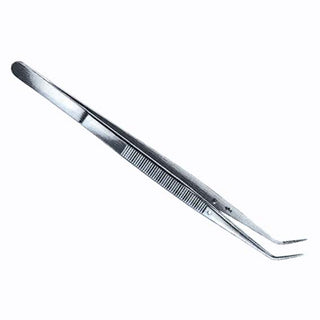

Orthodontic pliers are essential dental hand instruments used by orthodontists, dentists, hygienists, dental students and clinical teams during braces, wire adjustment and appliance procedures. For Australian practices searching for reliable dental pliers and orthodontic supplies Australia, choosing the right instruments can improve clinical control, support patient safety and help teams maintain efficient chairside workflows.
Orthodontic pliers sit within a wider group of dental products used for cutting, bending, gripping, adjusting and removing orthodontic materials. From a ligature cutter to bracket removing pliers, each instrument has a specific role in helping clinicians work accurately and safely.
What are orthodontic pliers used for?
Orthodontic pliers are specialised dental instruments used to handle wires, brackets, bands, elastics and other orthodontic components. They help clinicians cut archwires, bend wires, place appliances, remove bands and manage orthodontic adjustments.
Common uses include:
- Cutting ligature wires and archwires
- Bending and shaping orthodontic wire
- Placing or removing brackets and bands
- Adjusting appliances during treatment
- Holding small orthodontic components
- Supporting braces maintenance and repairs
- Assisting clinical training in dental education
Unlike general pliers, orthodontic pliers need fine tips, clinical durability, corrosion resistance and compatibility with infection prevention procedures.
Types of dental pliers used in orthodontics
Orthodontic clinics use different pliers for different treatment tasks. A well organised instrument range helps clinicians select the right tool quickly and reduces unnecessary strain on instruments.
Ligature cutter for wire trimming
A ligature cutter is used to cut small ligature wires during orthodontic procedures. It supports controlled cutting close to brackets and helps clinicians work efficiently in tight areas of the mouth.
Buyers often search for “what is a ligature cutter used for” because it is one of the most common orthodontic cutting instruments. A quality ligature cutter should offer sharp cutting edges, good visibility and a comfortable grip.
Distal end cutter for archwire safety
A distal end cutter cuts the end of an archwire and may help hold the cut portion to reduce the risk of loose wire fragments. This makes it useful for patient comfort and chairside safety.
Weingart pliers for gripping and placement
Weingart pliers help clinicians grip, guide and place archwires. Their angled beaks support access in posterior areas and help with routine orthodontic adjustments.
Bracket and band removing pliers
Bracket removing pliers and band removing pliers support debonding and appliance removal. These dental hand instruments require controlled pressure to protect patient comfort and minimise unnecessary stress on surrounding structures.
Wire bending and forming pliers
Bird beak pliers, Adams pliers, three prong pliers and loop forming pliers help clinicians shape wires and create bends, loops or appliance adjustments. These tools support treatment planning, repairs and training.
How to choose orthodontic pliers for clinical use
Choosing orthodontic pliers starts with the procedure. A clinic that performs frequent wire adjustments may prioritise cutters and utility pliers. A training facility may need a broader mix of durable dental hand instruments for students. A specialist orthodontic practice may need multiple plier types to support complex appliance workflows.
Key buying considerations include:
- Clinical use, such as cutting, bending, gripping or removing
- Tip alignment and working end design
- Stainless steel or tungsten carbide cutting surfaces
- Corrosion resistance
- Ergonomic grip and balance
- Autoclave compatibility
- Cleaning access around joints and hinges
- Durability under frequent use
- Replacement and reorder availability
- Fit with existing orthodontic workflows
For procurement teams, consistency also matters. Standardising instruments across chairs can simplify staff training, reduce ordering errors and improve stock control.
Why sterilisation and infection prevention matter
Orthodontic pliers come into close contact with patients, saliva, wires, brackets and clinical materials. Australian dental practices need clear infection prevention procedures for reusable instruments.
The Australian Dental Association’s infection prevention and control resources support dental teams in applying national standards, guidelines and handbooks within practice. The ADA’s current infection control guidance also incorporates changes connected with AS/NZS 5369:2023 for reprocessing reusable medical devices. Read more through the Australian Dental Association’s infection prevention and control resources at https://ada.org.au/explore/topics/infection-prevention-and-control.
The Dental Board of Australia also provides infection prevention and control resources to help practitioners understand regulatory obligations. Its practitioner resources are available at https://www.dentalboard.gov.au/Codes-Guidelines/Infection-prevention-and-control/.
Good practice includes:
- Clean instruments before sterilisation
- Inspect hinges, tips and cutting edges
- Remove visible debris before reprocessing
- Follow validated sterilisation procedures
- Store sterile instruments correctly
- Replace damaged or misaligned pliers
- Train staff in instrument handling and documentation
These steps support patient safety, staff confidence and consistent clinical outcomes.
Orthodontic pliers for dental students and education providers
Dental schools, TAFEs and clinical training programs need orthodontic instruments that support practical learning. Students use dental pliers to understand wire handling, appliance adjustment, bracket removal and safe chairside technique.
Education buyers should consider durability, ease of cleaning and instrument consistency across student kits. Common training instruments may include ligature cutters, wire bending pliers, Weingart pliers and bracket removing pliers. Clear naming and reliable supply help educators build repeatable practical activities and assessment workflows.
Storage, maintenance and durability of dental hand instruments
Correct storage helps extend the life of orthodontic pliers. Clinics should keep instruments dry, clean and protected from contact damage. Cutting pliers need special care because damaged edges can reduce performance and increase chairside frustration.
Useful maintenance habits include:
- Store pliers in organised trays or cassettes
- Avoid dropping instruments onto hard surfaces
- Inspect cutting edges regularly
- Lubricate joints only according to product guidance
- Separate damaged instruments from clinical use
- Track frequently used items for replacement planning
Instrument care supports productivity and reduces unnecessary replacement costs.
Sustainability and smarter procurement in dental practices
Australian dental buyers increasingly consider sustainability alongside safety, quality and cost. Reusable dental hand instruments can support waste reduction when practices maintain them correctly and reprocess them safely.
The Australian Dental Association states that dental care should minimise environmental impact without adversely affecting the safety and quality of treatment. Its sustainable dentistry resources are available at https://www.ada.org.au/resources/sustainable-dentistry.
For orthodontic pliers and dental instruments, sustainable procurement may include:
- Choosing durable reusable instruments
- Maintaining tools to extend service life
- Avoiding unnecessary duplicate instruments
- Consolidating suppliers where practical
- Reviewing packaging and freight efficiency
- Replacing instruments only when performance or safety requires it
Sustainability works best when clinics protect both environmental goals and clinical standards.
Buy orthodontic pliers in Australia
Orthodontic pliers help Australian dental teams cut, bend, grip, adjust and remove orthodontic components with greater confidence. Whether a clinic needs a ligature cutter, Weingart pliers, bracket removing pliers, band removing pliers or broader dental hand instruments, product selection should match clinical workflow, sterilisation requirements, durability expectations and procurement needs.
Medilab supports Australian dental, orthodontic, healthcare and education buyers with dependable dental products and practical supply solutions. For teams sourcing dental pliers and orthodontic supplies Australia, a trusted supplier can help improve availability, instrument consistency and confidence across daily clinical care.
References
Australian Dental Association 2026, Infection Prevention and Control, accessed 25 June 2026, https://ada.org.au/explore/topics/infection-prevention-and-control.
Australian Dental Association 2026, Sustainable Dentistry, accessed 25 June 2026, https://www.ada.org.au/resources/sustainable-dentistry.
Dental Board of Australia 2026, Infection Prevention and Control, accessed 25 June 2026, https://www.dentalboard.gov.au/Codes-Guidelines/Infection-prevention-and-control/.