


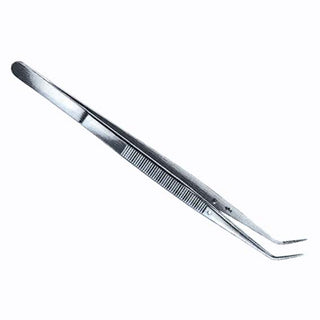

Diagnostic equipment supports accurate measurement, monitoring and assessment across healthcare, laboratory, education, research and quality control environments. Within Medilab’s current range, laboratory thermometers play an important role in diagnostic and scientific workflows where reliable temperature measurement helps teams monitor samples, liquids, equipment and testing conditions.
For Australian buyers searching “diagnostic equipment Australia”, “laboratory thermometers”, “temperature measurement equipment” or “lab thermometers”, the need is practical and clear. They want dependable equipment that supports accuracy, safe handling, compliance, repeatable results and efficient procurement.
What is diagnostic equipment used for?
Diagnostic equipment refers to instruments and supplies used to measure, assess, monitor or support decision-making in clinical, laboratory and testing environments. In some settings, this may include patient-facing devices. In laboratory workflows, it can also include temperature measurement equipment used to monitor samples, experiments, storage conditions and controlled processes.
Laboratory thermometers fit naturally within diagnostic equipment because they help users check and record temperature as part of testing, preparation, observation and quality control. They support evidence-based decisions by giving staff, students and technicians reliable measurement data.
Laboratory thermometers within diagnostic equipment
A laboratory thermometer is a temperature measurement instrument used to monitor liquids, samples, storage areas and testing conditions. Unlike clinical thermometers, which measure body temperature, laboratory thermometers support scientific and process-based measurement.
They are commonly used across:
- Healthcare laboratories
- School and university science labs
- Research facilities
- Testing laboratories
- Quality control environments
- Industrial and production labs
- Sample handling areas
- Water bath and heating workflows
- Refrigeration and freezer checks
This makes laboratory thermometers relevant to both medical and diagnostic supplies and broader laboratory equipment categories.
Diagnostic equipment vs clinical thermometer equipment
Diagnostic equipment can cover a broad range of measurement tools, but not every thermometer suits the same purpose. Laboratory thermometers are designed for lab, testing, education and quality control applications. Clinical thermometers are designed for patient temperature checks.
For this category, the focus should stay on diagnostic equipment for laboratory temperature measurement, not fever thermometers, forehead thermometers or ear thermometers. This gives Australian buyers a clearer understanding of the product range and helps avoid confusion during procurement.
A simple way to explain it is this: laboratory thermometers support diagnostic and scientific workflows by measuring temperature in materials, samples and controlled environments.
Why temperature measurement matters in diagnostic workflows
Temperature can influence test conditions, sample stability, chemical preparation and experimental results. Reliable temperature measurement helps teams work with greater consistency and confidence.
In diagnostic and laboratory settings, staff may use thermometers to:
- Monitor liquid temperature during preparation
- Check heating or cooling conditions
- Support sample handling procedures
- Verify water bath temperatures
- Observe classroom science experiments
- Record temperature during testing
- Support quality control checks
- Monitor storage conditions for sensitive materials
The National Measurement Institute provides temperature and humidity measurement services in Australia, including precision measurement and instrument calibration. This highlights the importance of reliable temperature measurement in scientific, technical and quality-focused environments.
How to choose diagnostic equipment for temperature measurement
Australian buyers should choose diagnostic equipment based on the workflow, measurement range, readability, durability and documentation needs. A school science department may need straightforward laboratory thermometers for experiments. A research or testing facility may need instruments that support more controlled temperature checks.
Key buying considerations include:
- Required temperature range
- Measurement increments
- Readability of scale or display
- Glass or digital format
- Suitability for liquids, water baths or storage checks
- Stem or probe length
- Chemical compatibility
- Ease of cleaning
- Safe storage requirements
- Calibration or verification needs
- Bulk ordering needs for classrooms or multiple benches
- Supplier reliability and stock availability
The best product choice should match the actual task rather than relying on a broad category label.
Glass and digital laboratory thermometers
Diagnostic equipment for temperature measurement may include different thermometer formats. Glass laboratory thermometers and digital thermometers both support practical lab workflows, but they suit different environments.
Glass laboratory thermometers
Glass laboratory thermometers are commonly used in education, general science and basic laboratory measurement. They provide a direct reading and can support experiments, demonstrations and liquid temperature checks.
Buyers often choose glass thermometers for:
- School science labs
- Basic liquid measurement
- Classroom demonstrations
- Routine bench work
- Cost-effective bulk purchasing
- Simple visual readings
Digital temperature measurement equipment
Digital thermometers can provide fast readings and clear displays. They may suit teams that need quick checks, easier readability or routine monitoring in testing and quality control settings.
Procurement teams should consider the working environment, staff training, cleaning requirements and expected frequency of use before choosing between glass and digital options.
Diagnostic equipment for education and STEM learning
Schools, universities and training providers use diagnostic equipment to teach measurement, observation and scientific thinking. Laboratory thermometers help students understand temperature change, experimental control, data recording and safe practical work.
The Australian Government’s National STEM School Education Strategy 2016 to 2026 supports stronger science, technology, engineering and mathematics capability, including problem solving, scientific literacy and critical thinking. Practical scientific equipment, such as laboratory thermometers, helps educators turn these skills into hands-on learning.
For education buyers, durability, readability and safe storage matter. Standardising thermometer types across classrooms can also help teachers manage lessons more efficiently.
Diagnostic equipment in healthcare, research and quality control
Healthcare laboratories, research teams and quality control departments need diagnostic equipment that supports repeatable measurement. Laboratory thermometers help these teams monitor temperature-sensitive workflows without positioning the product as a direct patient assessment device.
In healthcare support environments, laboratory thermometers may assist with sample handling, preparation areas and controlled testing procedures. In research, they help teams monitor experimental conditions. In quality control, they support routine checks and documentation.
This makes laboratory thermometers commercially relevant for B2B buyers who need dependable temperature measurement equipment across multiple departments or facilities.
Safety, contamination prevention and correct handling
Diagnostic equipment should support safe and consistent workflows. Laboratory thermometers must be used, cleaned and stored correctly to reduce damage, contamination risk and inaccurate readings.
Good practice includes:
- Use the thermometer only for its intended purpose
- Avoid using the same thermometer across incompatible samples
- Clean equipment before and after use where required
- Keep clean and used equipment separate
- Do not use damaged glass thermometers
- Store thermometers in protective cases or secure areas
- Train staff and students in safe handling
- Follow manufacturer instructions and workplace procedures
These steps help improve safety and reduce the risk of cross contamination, breakage and measurement errors.
Temperature monitoring and chemical storage
Some laboratory environments use temperature checks as part of safe storage and handling workflows. Safe Work Australia advises that hazardous chemicals must be stored correctly to keep people safe, and that storage locations should be clearly identified with signs and labels.
A laboratory thermometer may help staff monitor temperature conditions in storage or preparation areas, but it does not replace risk assessment, safety data sheets, chemical segregation, labelling or local workplace procedures. Teams should always follow the safety data sheet and relevant workplace safety processes.
Storage, durability and procurement efficiency
Diagnostic equipment needs proper storage and routine stock control. Laboratory thermometers should remain clean, dry, protected from damage and easy to access when required.
Procurement teams can improve efficiency by asking:
- Which teams use temperature measurement equipment?
- Do users need laboratory thermometers only, or broader diagnostic equipment?
- What temperature range do the workflows require?
- Are glass thermometers suitable for the environment?
- Do staff need digital readings?
- How many benches, classrooms or departments need stock?
- Are protective storage cases required?
- Does the supplier support repeat ordering?
A standardised approach can reduce ordering errors, improve training consistency and simplify purchasing across education, healthcare, research and industrial settings.
Sustainability and modern diagnostic equipment purchasing
Australian organisations increasingly consider sustainability when purchasing laboratory and diagnostic equipment. For laboratory thermometers, sustainability often comes from choosing the right product for the task, storing it correctly and reducing unnecessary replacement.
Facilities can support better purchasing outcomes by:
- Selecting durable equipment suited to the workflow
- Avoiding over-ordering
- Training users to prevent breakage
- Consolidating orders with other laboratory supplies
- Reviewing product performance before repeat purchasing
- Reducing remakes or repeated tests caused by poor measurement practice
Sustainable procurement works best when it balances safety, accuracy, stock availability and long-term value.
Buy diagnostic equipment and laboratory thermometers in Australia
Diagnostic equipment supports accurate measurement, monitoring and decision-making across Australian healthcare, education, research, testing and quality control environments. Within this category, laboratory thermometers provide a practical way to measure temperature in samples, liquids, storage areas and controlled workflows.
Medilab supports Australian buyers with reliable medical and diagnostic supplies, including laboratory thermometers for temperature measurement applications. For teams sourcing diagnostic equipment, laboratory thermometers and scientific supplies, choosing a trusted Australian supplier can improve procurement confidence, stock consistency and day to day workflow efficiency.
References
Australian Government Department of Education 2023, National STEM School Education Strategy 2016 to 2026, accessed June 2026, https://www.education.gov.au/australian-curriculum/support-science-technology-engineering-and-mathematics-stem/national-stem-school-education-strategy-2016-2026.
Australian Government Department of Industry, Science and Resources 2026, Temperature and humidity measurement client services, National Measurement Institute, accessed June 2026, https://www.industry.gov.au/national-measurement-institute/nmi-services/physical-measurement-services/temperature-and-humidity-measurement-client-services.
Safe Work Australia 2026, Storing hazardous chemicals, accessed June 2026, https://www.safeworkaustralia.gov.au/safety-topic/hazards/chemicals/storing-hazardous-chemicals.