



Dental restorative instruments support accurate placement, shaping and finishing during restorative procedures in Australian dental clinics, universities, training facilities and healthcare environments. Within this category, plastic filling instruments form an important part of dental hand instruments used for composite placement, filling adaptation and controlled material handling.
For buyers searching “dental supplies”, “dental hand instruments” or “dental restorative instruments”, the priority is usually practical. They need reliable instruments that support clinical control, safe reprocessing, efficient room setup and consistent restorative workflows.
What are dental restorative instruments used for?
Dental restorative instruments are hand instruments used during the placement, shaping, contouring and finishing of restorative materials. They help clinicians handle materials with accuracy and create practical working conditions during fillings and other restorative procedures.
Common restorative dental instruments include:
- Plastic filling instruments
- Composite placement instruments
- Dental spatulas
- Burnishers
- Carvers
- Condensers and pluggers
- Composite shaping tools
- Filling placement instruments
These products sit within the broader dental supplies and dental equipment category, but they serve a specific role in restorative dentistry. They help dental professionals place and manipulate materials during clinical workflows.
What is a plastic filling instrument used for?
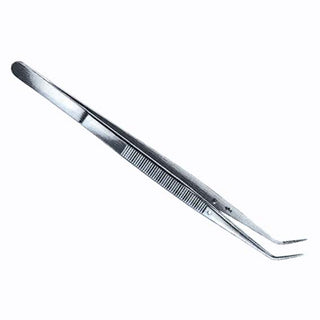
A plastic filling instrument is a dental hand instrument used to carry, place, shape or adapt restorative material during filling procedures. It is commonly associated with composite restorations and other restorative workflows where controlled material placement matters.
Buyers may search for this product using terms such as plastic filling instrument, dental filling instrument, composite filling instrument, flat plastic dental instrument or restorative filling tool. These terms describe a similar need: an instrument that helps place filling material with precision and control.
Plastic filling instruments are useful because they support fine movement in a small working area. The right instrument helps reduce wasted material, improve placement accuracy and support a smoother restorative workflow.
Dental hand instruments and composite filling tools compared
Dental hand instruments cover a wide range of tools used by clinicians during examination, restorative treatment, oral surgery and laboratory work. Plastic filling instruments are one type of hand instrument within restorative dentistry.
Plastic filling instruments
Plastic filling instruments help place and shape filling materials. They are often used during composite and restorative procedures where the clinician needs controlled adaptation.
Burnishers
Burnishers help smooth, contour or adapt restorative materials. They may support finishing steps depending on the procedure and material being used.
Carvers
Carvers help shape and define anatomy in restorative materials. They can support form, detail and occlusal surface refinement.
Dental spatulas
Dental spatulas support mixing, handling or transferring materials in clinical and laboratory settings.
Together, these dental restorative instruments help clinics manage the full workflow from material handling to contouring and finishing.
Why instrument choice matters in restorative dentistry
Restorative dentistry relies on accuracy, visibility and controlled handling. Small differences in instrument design can affect how comfortably a clinician places, shapes or adapts material.
The best dental restorative instruments support:
- Controlled placement of filling material
- Efficient shaping and contouring
- Comfortable hand positioning
- Consistent tactile feedback
- Reliable use across repeated procedures
- Compatibility with trays and cassettes
- Practical cleaning and reprocessing
For Australian clinics, selecting the right restorative instruments can improve procedure flow and reduce time spent searching for suitable tools during treatment.
Choosing dental restorative instruments for clinics and education
Australian buyers should choose restorative instruments based on procedure type, user preference, handle design, durability and reprocessing needs. A private dental clinic may prioritise long-term reliability and fast reorder access. A university or training provider may need standardised student kits with consistent dental hand instruments.
Key buying considerations include:
- Intended use with composite or other restorative materials
- Instrument shape and working end design
- Handle grip and balance
- Material durability
- Tactile control
- Compatibility with sterilisation workflows
- Suitability for trays and cassettes
- Ease of cleaning
- Stock availability
- Bulk ordering needs for teaching environments
Standardising core restorative instruments can help practices reduce ordering errors and support consistent clinical training.
Infection control and reusable dental hand instruments
Reusable dental hand instruments require careful cleaning, inspection, reprocessing and storage. The Dental Board of Australia states that dental practitioners must practise in a way that prevents or minimises the risk of infection spread. Dental teams should follow workplace procedures, manufacturer instructions and relevant professional guidance for all reusable dental instruments.
The Australian Dental Association provides infection prevention and control resources to help dental practices apply national standards, guidelines and handbooks. This makes infection control an important part of procurement when sourcing dental restorative instruments, plastic filling instruments and related dental supplies.
Plastic filling instruments do not sit outside infection control planning simply because they are small. They move between treatment rooms, cleaning areas, sterilisation workflows and storage systems, so they need clear handling procedures.
Compliance and product confidence in Australian dental supplies
Dental buyers should source dental supplies from reputable suppliers and check that product documentation, intended use and quality expectations suit their environment. The Therapeutic Goods Administration explains that medical devices in Australia can include products used to diagnose, prevent, treat or monitor medical conditions, and provides guidance on how medical devices are regulated.
For clinics, education providers and healthcare organisations, compliance also includes staff training, safe handling, infection control and clear procurement records. Choosing dependable dental restorative instruments supports both clinical workflow and product confidence.
Accuracy, ergonomics and modern restorative workflows
Modern dental workflows place strong emphasis on controlled handling, clinician comfort and efficient procedure setup. Safe Work Australia notes that hazardous manual tasks can place stress on the body and contribute to injury in healthcare and social assistance work. In dental settings, this reinforces the value of instruments that support comfortable grip and controlled hand movement.
A well-chosen plastic filling instrument can help reduce unnecessary force and improve control during repetitive restorative tasks. For busy clinics and student training settings, comfortable dental hand instruments can support better workflow consistency.
Storage, organisation and contamination prevention
Restorative instruments should be stored in a way that protects working ends, reduces handling and supports efficient room setup. Trays, cassettes and clear instrument organisation help teams keep plastic filling instruments, burnishers, carvers and spatulas ready for use.
Good practice includes:
- Keep clean instruments separate from used instruments
- Store restorative instruments in organised trays or cassettes
- Inspect working ends before use
- Remove damaged instruments from circulation
- Keep student and clinic sets complete
- Follow manufacturer instructions for care
- Train staff and students in safe instrument movement
Organised storage helps prevent contamination risk, instrument loss and unnecessary delays during restorative procedures.
Sustainability and smarter procurement
Australian dental buyers increasingly consider durability, waste reduction and long-term value when choosing dental supplies. Reusable dental restorative instruments can support sustainable procurement when teams clean, store and maintain them correctly.
Practical procurement steps include:
- Standardise essential restorative instruments
- Order suitable quantities for each room or student group
- Replace worn instruments before they affect workflow
- Consolidate purchases with other dental supplies
- Review usage across departments
- Train users to reduce avoidable damage
Sustainability works best when it supports safety, infection control, accuracy and efficient stock management.
Buy dental restorative instruments in Australia
Dental restorative instruments, dental hand instruments and plastic filling instruments all support accurate restorative workflows. The right tools help Australian clinics, education providers and healthcare teams place, shape and adapt filling materials with confidence.
Medilab supports Australian buyers with dependable dental supplies, dental restorative instruments and related clinical products for professional and educational environments. For teams sourcing plastic filling instruments, dental hand instruments and restorative dental supplies, choosing a trusted Australian supplier can improve procurement confidence, stock reliability and day to day workflow efficiency.
References
Australian Dental Association 2026, Infection Prevention and Control, accessed June 2026, https://ada.org.au/explore/topics/infection-prevention-and-control.
Dental Board of Australia 2026, Infection prevention and control, accessed June 2026, https://www.dentalboard.gov.au/Codes-Guidelines/Infection-prevention-and-control.aspx.
Safe Work Australia 2026, Hazardous manual tasks, accessed June 2026, https://www.safeworkaustralia.gov.au/book/health-care-and-social-assistance/hazards-risks-and-controls/hazardous-manual-tasks.
Therapeutic Goods Administration 2026, Medical devices, accessed June 2026, https://www.tga.gov.au/products/medical-devices.