


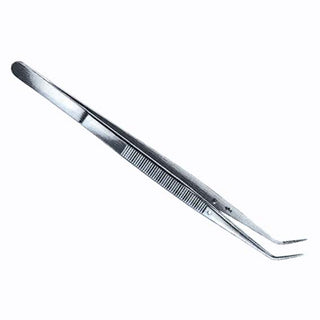

A dental scaler is an essential periodontal instrument used by dentists, hygienists, oral health therapists and dental students to support professional teeth cleaning and periodontal care. Within the broader Dental Products category, dental scalers sit alongside other dental instruments and dental cleaning tools used for plaque removal, calculus removal, oral hygiene procedures and clinical assessment.
Australian buyers often search for “what is a dental scaler used for”, “manual scaler vs ultrasonic scaler” and “where can I buy dental instruments in Australia”. These searches show strong demand for reliable instruments that support clinical accuracy, infection prevention, ergonomic handling, durability and efficient procurement.
What is a dental scaler used for?
A dental scaler is a clinical hand instrument used to remove plaque, calculus and deposits from tooth surfaces. Dental teams use scalers during professional cleaning, periodontal maintenance and hygiene appointments.
A scaler helps clinicians access areas around the gumline, interproximal spaces and tooth surfaces where deposits may build up. It does not replace diagnostic assessment, periodontal charting or broader oral hygiene care. Instead, it forms part of a structured clinical workflow supported by suitable dental instruments, trained practitioners and infection control procedures.
Common dental scaler uses include:
- Removing supragingival calculus
- Supporting periodontal cleaning
- Assisting plaque and deposit removal
- Cleaning around interproximal areas
- Preparing surfaces during hygiene procedures
- Supporting dental education and clinical training
- Complementing ultrasonic scaler workflows
Types of dental scalers and dental cleaning tools
Dental clinics use different scaler types depending on the patient, tooth surface, deposit location and clinician preference.
Manual dental scalers
Manual dental scalers give clinicians tactile control during scaling. They suit fine deposit removal, selected periodontal procedures and clinical training. Manual instruments may include sickle scalers, universal scalers and other hand scaler patterns.
Ultrasonic scaler instruments
An ultrasonic scaler uses high frequency vibration with water irrigation to help remove calculus and biofilm during professional cleaning. Many clinics use ultrasonic scalers for efficiency, then use manual scalers for finishing, detail work or areas that need more tactile feedback.
Sickle scalers
A sickle scaler usually has a pointed tip and triangular cross-section. Clinicians often use it for supragingival calculus removal and access around contact areas. It requires correct technique and careful adaptation to reduce tissue trauma.
Gracey scalers and curettes
Gracey instruments and curettes support periodontal care, root surface cleaning and subgingival access. While scalers and curettes have different working designs, buyers often compare them when building a periodontics instrument range.
Dental scaler vs ultrasonic scaler
A manual dental scaler relies on clinician hand movement, controlled pressure and sharp working edges. An ultrasonic scaler uses vibration and irrigation to disrupt deposits and support efficient cleaning.
Both tools have value. Manual scalers offer tactile feedback and control. Ultrasonic scalers can improve efficiency in many hygiene workflows. Clinics often use both types together to support patient care, clinical accuracy and chairside productivity.
For buyers searching “which dental cleaning tools do clinics need”, the best answer depends on services offered, clinician training, patient mix, infection control workflow and instrument reprocessing capacity.
How to choose dental scalers for clinical use
Choosing dental scalers starts with clinical purpose. A general dental practice may need a balanced range of sickle scalers, curettes and ultrasonic scaler accessories. A periodontal clinic may need a more specialised selection of periodontal instruments. A dental school may need durable training instruments that support repeated student use.
Key buying considerations include:
- Instrument type and clinical use
- Tip design and access requirements
- Stainless steel quality
- Handle grip and ergonomics
- Weight and balance
- Sharpness and edge retention
- Autoclave compatibility
- Cleaning access around grooves and handles
- Replacement and reorder availability
- Fit with existing instrument cassettes and workflows
For procurement teams, consistency matters. Standardising dental instruments across surgeries can simplify staff training, reduce ordering errors and improve stock control.
Infection prevention and sterilisation for dental instruments
Dental scalers contact the oral cavity, saliva, plaque, calculus and blood-contaminated materials. Australian dental practices need reliable infection prevention systems for cleaning, sterilising, storing and tracking reusable dental instruments.
The Australian Dental Association provides infection prevention and control resources to help dental teams apply national standards, guidelines and handbooks in practice. The ADA resources also address changes connected with AS/NZS 5369:2023 for reprocessing reusable medical devices. Read more through the Australian Dental Association infection prevention and control resources.
The Dental Board of Australia also states that effective infection prevention and control helps protect patients and healthcare workers by preventing or minimising infection spread. Its practitioner guidance is available through the Dental Board of Australia infection prevention and control page.
Good practice includes:
- Clean instruments before sterilisation
- Inspect scaler tips and handles after use
- Remove visible debris before reprocessing
- Follow validated sterilisation procedures
- Store sterile instruments correctly
- Replace damaged, blunt or corroded scalers
- Train staff in documented reprocessing workflows
These steps support patient safety, regulatory confidence and consistent clinical care.
Dental scalers for students and education providers
Dental schools, hygiene programs and clinical training providers need dental cleaning tools that support safe learning. Students use scalers to develop hand positioning, adaptation, pressure control, tactile sensitivity and periodontal instrumentation technique.
Education buyers should consider instrument consistency, durability and ease of reprocessing. Clear product naming helps educators create standardised kits for practical classes and clinical assessments. Common student kits may include a dental scaler, periodontal probe, mirror, explorer, curette and other dental hand instruments.
Storage, maintenance and durability
Correct storage helps extend instrument life and protect sharp working ends. Clinics should store dental scalers in organised trays, cassettes or designated instrument systems. This reduces damage, improves workflow speed and helps staff identify missing or worn tools.
Maintenance habits include:
- Inspect tips for wear or bending
- Keep instruments dry after reprocessing
- Avoid dropping scalers onto hard surfaces
- Separate damaged instruments from clinical use
- Sharpen only when appropriate and authorised
- Review high-use instruments for replacement planning
Durable dental instruments support clinical efficiency and reduce unnecessary replacement costs.
Sustainability and smarter dental procurement
Australian dental practices increasingly consider sustainability alongside safety and quality. Reusable dental instruments can support waste reduction when clinics maintain and reprocess them correctly.
The Australian Dental Association states that dental care should minimise environmental impact without reducing the safety and quality of treatment. Its practical guidance for clinics is available through the ADA sustainable dentistry resources.
For dental scaler procurement, sustainable choices may include:
- Selecting durable reusable instruments
- Maintaining instruments to extend service life
- Avoiding unnecessary duplicate products
- Consolidating suppliers where practical
- Reviewing packaging and freight efficiency
- Replacing instruments only when performance or safety requires it
Sustainability works best when practices protect patients, staff and clinical standards.
Buy dental scalers in Australia
Dental scalers support professional cleaning, periodontal care, oral hygiene treatment and clinical training. Whether a practice needs a manual dental scaler, ultrasonic scaler accessories, periodontal instruments or broader dental cleaning tools, the right product choice should match clinical workflow, infection prevention requirements, durability expectations and procurement needs.
Medilab supports Australian dental, healthcare and education buyers with dependable dental products and practical supply solutions. For teams sourcing dental instruments and scalers in Australia, a trusted supplier can help improve availability, consistency and confidence across daily clinical care.
References
Australian Dental Association 2026, Infection Prevention and Control, accessed 25 June 2026, https://ada.org.au/explore/topics/infection-prevention-and-control.
Australian Dental Association 2026, Sustainable Dentistry, accessed 25 June 2026, https://www.ada.org.au/resources/sustainable-dentistry.
Dental Board of Australia 2026, Infection Prevention and Control, accessed 25 June 2026, https://www.dentalboard.gov.au/Codes-Guidelines/Infection-prevention-and-control.aspx.