



Dental instruments support accurate assessment, efficient examination and safe clinical workflows across Australian dental clinics, universities, training facilities and healthcare environments. Within diagnostic instruments, the dental explorer plays a key role alongside the dental probe, dental mirrors and other examination tools used to inspect tooth surfaces, margins, fissures and oral structures.
For buyers searching “dental instruments Australia”, “what is a dental explorer used for” or “dental probe and mirror set”, the priority is practical. They need reliable diagnostic instruments that support visibility, tactile feedback, infection control and consistent daily use.
What are diagnostic dental instruments used for?
Diagnostic dental instruments are tools used to inspect, assess and support clinical decision-making during oral examination. They help dental professionals view hard-to-see areas, check tooth surfaces, assess gum health and support routine examination workflows.
Common diagnostic dental instruments include:
- Dental explorers
- Dental probes
- Dental mirrors
- Periodontal probes
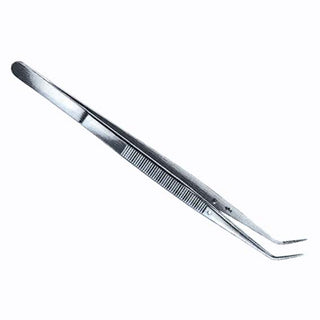
- Tweezers and cotton pliers
- Examination kits
- Diagnostic instrument sets
These instruments sit within the broader dental supplies and dental equipment category, but they serve a specific purpose. They help users gather information before treatment planning, cleaning, restorative work or referral.
What is a dental explorer used for?
A dental explorer is a fine-tipped diagnostic instrument used to examine tooth surfaces, fissures, restoration margins and areas that need closer inspection. It supports tactile assessment by helping clinicians feel surface changes that may not be easy to see.
Dental explorers are often used during oral examinations, dental training and restorative assessment. Product names may include Explorer 23, sickle explorer, Shepherd’s hook explorer, endodontic explorer or double-ended dental explorer.
A dental explorer should feel balanced, precise and easy to control. Tactile sensitivity matters because the user relies on subtle feedback from the instrument tip during examination.
Dental explorer, dental probe and dental mirrors compared
Dental explorers, dental probes and dental mirrors often work together during a dental examination, but each instrument has a different role.
Dental explorer
A dental explorer helps examine tooth surfaces, pits, fissures and margins. It supports detailed inspection when the user needs fine tactile feedback.
Dental probe
A dental probe helps assess periodontal pockets, gum health and measurements around teeth. Periodontal probes usually include marked increments to support measurement and documentation.
Dental mirrors
Dental mirrors improve visibility and access. They help clinicians view posterior areas, retract soft tissue and direct light during examination.
Together, these dental instruments support a more complete diagnostic workflow. A buyer searching “what instruments do dentists use for check-ups” will often find explorers, probes and mirrors grouped together because they form a basic examination set.
How explorers support accuracy and modern diagnostic workflows
Accuracy in dental examination depends on good visibility, controlled handling and suitable diagnostic instruments. A dental explorer can support assessment of fissures, surface texture and restoration edges. Dental mirrors support indirect vision, while a dental probe supports measurement and periodontal assessment.
Modern dental workflows increasingly focus on consistency, documentation and efficient instrument preparation. Diagnostic instruments must move smoothly from storage to chairside use, then through cleaning, reprocessing and return to storage. Clear organisation helps reduce delays and supports safer practice.
In busy clinics and teaching environments, consistent instrument selection can also improve training. Students and staff learn faster when each examination kit includes familiar instruments with predictable handling.
Infection control and reusable dental instruments
Reusable dental instruments require careful cleaning, reprocessing and storage. The Dental Board of Australia states that dental practitioners must practise in a way that prevents or minimises the risk of infection spread, and provides infection prevention and control resources for dental practitioners.
The Australian Dental Association also provides infection prevention and control resources to help dental teams apply national standards, guidelines and handbooks in dental practice. This makes infection control a major procurement consideration when selecting dental instruments, dental explorers, probes and mirrors.
Dental practices should always follow local procedures, manufacturer instructions and relevant professional guidance for cleaning, sterilisation and storage. Diagnostic instruments must support these workflows rather than create extra complexity.
Choosing dental instruments for clinics, education and training
Australian buyers should choose diagnostic dental instruments based on intended use, handling quality, durability and workflow compatibility. A dental clinic may prioritise long-term reliability and reprocessing efficiency. A university or training provider may need bulk quantities of dental mirrors, probes and explorers for student kits.
Key buying considerations include:
- Instrument type and intended use
- Handle grip and balance
- Tip design and precision
- Tactile sensitivity
- Material and durability
- Reusable instrument handling requirements
- Compatibility with trays and cassettes
- Ease of cleaning and storage
- Availability for repeat ordering
- Suitability for students, clinics or laboratories
For procurement teams, standardising commonly used examination instruments can reduce ordering errors and simplify staff training.
Dental explorers for education and clinical training
Dental students and education providers often search for dental instruments, dental probe sets, dental mirrors and dental explorer tools for practical training. Explorers help students develop tactile awareness, instrument control and understanding of oral examination technique.
Training environments need instruments that are consistent, easy to identify and suitable for repeated handling. Standardised diagnostic kits can help educators manage practical sessions, assess student readiness and maintain organised stock across teaching rooms.
Dental schools, TAFE programs and simulation labs may also require related laboratory supplies, trays, cassettes and infection control supplies to support the full learning workflow.
Storage, organisation and contamination prevention
Dental instruments should be stored in a way that protects staff, students and patients. Good organisation also supports faster setup and more efficient reprocessing.
Useful storage practices include:
- Keep clean instruments separate from used instruments
- Store diagnostic instruments in suitable trays or cassettes
- Inspect tips and mirrors before use
- Remove damaged instruments from circulation
- Keep examination sets complete and clearly organised
- Follow manufacturer instructions for handling and reprocessing
- Train staff and students in safe instrument movement
These practices help reduce unnecessary handling, support contamination prevention and improve daily laboratory and clinical efficiency.
Compliance, regulation and product confidence
The Therapeutic Goods Administration regulates medical devices in Australia, including products used to diagnose, prevent, monitor, treat or manage medical conditions. Dental buyers should source products through reputable suppliers and check whether instruments, documentation and intended use suit their setting.
Compliance is not only about regulation. It also includes safe work practices, infection control procedures, staff training and reliable procurement. Diagnostic instruments should help teams meet practical workplace expectations without compromising examination quality.
Sustainability and smarter dental procurement
Australian healthcare and education buyers increasingly consider sustainability when sourcing dental equipment and supplies. For reusable dental instruments, sustainability often comes from durability, correct maintenance, fewer replacements and better stock control.
Practical sustainability steps include:
- Choose instruments suited to repeated use
- Store instruments correctly to reduce damage
- Standardise common examination kits
- Replace only worn or damaged items when needed
- Consolidate ordering with related dental supplies
- Train users to handle instruments safely
- Review purchasing patterns across rooms or departments
Sustainable procurement works best when it supports safety, infection control, quality and value over time.
Buy dental explorers and diagnostic instruments in Australia
Dental instruments such as dental explorers, dental probes and dental mirrors support accurate examination, efficient workflows and professional dental care. The right diagnostic instruments help Australian clinics, education providers, laboratories and healthcare buyers maintain consistency from examination through to reprocessing and storage.
Medilab supports Australian buyers with dependable dental supplies, diagnostic dental instruments and related infection control supplies for clinical, educational and laboratory environments. For teams sourcing dental explorer instruments, dental probe options, dental mirrors and examination tools, a trusted Australian supplier can improve procurement confidence, stock reliability and day to day workflow efficiency.
References
Australian Dental Association 2026, Infection Prevention and Control, accessed June 2026, https://ada.org.au/explore/topics/infection-prevention-and-control.
Dental Board of Australia 2026, Infection prevention and control, accessed June 2026, https://www.dentalboard.gov.au/Codes-Guidelines/Infection-prevention-and-control.aspx.
Therapeutic Goods Administration 2026, Medical devices, accessed June 2026, https://www.tga.gov.au/products/medical-devices.