



Dental laboratory equipment supports accurate model work, prosthetic workflows and day to day production across Australian dental clinics, dental laboratories, universities and training environments. Within this category, die stone, dental plaster, alginate impression materials, dental impression materials and laboratory instruments such as plaster knives all play a practical role in creating, shaping and refining detailed casts, study models and working dies.
Australian buyers often search for “dental lab supplies Australia”, “what is dental die stone used for” and “where can I buy dental plaster”. These searches show a need for dependable materials and instruments that support accuracy, consistency, infection control and efficient procurement.
What is dental laboratory equipment used for?
Dental laboratory equipment includes the instruments, materials and consumables used to create, prepare, inspect and refine dental models, appliances and restorations. It supports workflows from impression taking through to model pouring, trimming, articulation, prosthetic planning and education.
Common dental laboratory products include:
- Die stone and dental stone
- Dental plaster and gypsum materials
- Alginate impression materials
- Dental impression materials
- Mixing bowls and spatulas
- Plaster knives and trimming tools
- Model trimmers and laboratory hand tools
- Dental casts, dies and articulators
- Laboratory instruments for model preparation
Die stone sits within this wider workflow because it helps produce strong, accurate models for crowns, bridges, prosthetics and diagnostic planning. A plaster knife also supports this workflow by helping technicians trim excess plaster or stone, refine cast edges and prepare models for the next stage of laboratory work.
Where die stone fits into dental model workflows
Die stone is a high-strength dental gypsum material used to pour accurate dental models and working dies. Dental technicians and clinicians use it when detail reproduction, hardness and dimensional stability matter.
A typical workflow may involve taking an impression with alginate impression materials or another dental impression material, disinfecting and handling the impression according to practice procedures, then pouring the model with dental stone, dental plaster or die stone depending on the required outcome.
Dental plaster often suits study models or low-stress applications. Die stone suits more demanding model work where detail, strength and edge stability matter. Once the material sets, laboratory instruments such as plaster knives, spatulas and trimming tools help refine the model for inspection, articulation or further prosthetic work.
Dental plaster, dental stone and die stone compared
Dental plaster, dental stone and die stone are all gypsum-based materials, but they serve different purposes.
Dental plaster
Dental plaster usually works well for study models, preliminary casts and educational use. It can offer practical handling and cost efficiency when extreme strength is not required.
Dental stone
Dental stone provides greater strength than plaster and suits many model-making workflows. It supports dental casts, orthodontic models and general laboratory use.
Die stone
Die stone provides higher strength and surface hardness. Dental teams often choose it for detailed working models, crowns, bridges and precision laboratory procedures.
For buyers searching “dental stone vs dental plaster”, the best choice depends on accuracy needs, compressive strength, expansion control, setting time and final use.
How alginate impression materials connect to die stone
Alginate impression materials capture the shape of teeth, gums and oral structures. Once a clinician or technician takes an impression, the lab must pour it correctly to create a usable model.
The Therapeutic Goods Administration lists alginate dental impression material as a medical device in the Australian Register of Therapeutic Goods, which reinforces the need to check intended use and product documentation when sourcing clinical materials. See the TGA example for impression material, dental, alginate: https://www.tga.gov.au/resources/artg/485247.
To support accuracy, teams should follow manufacturer instructions for water ratio, mixing time, working time and pouring time. Small errors can affect surface detail, bubbles, model strength and fit.
Why plaster knives matter in dental laboratory workflows
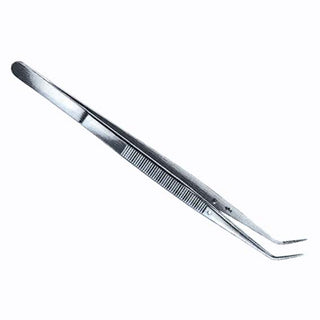
A plaster knife is a practical dental laboratory instrument used to shape, trim and remove excess plaster or stone from dental models after setting. It helps technicians refine casts, clean rough edges and prepare models for further laboratory work.
Plaster knives may support:
- Trimming excess dental plaster
- Removing rough edges from casts
- Refining study models
- Cleaning model bases
- Assisting with model preparation before trimming
- Supporting dental technician training
When used with die stone, dental plaster, model trimmers and mixing tools, a plaster knife can improve bench efficiency and finishing consistency. Buyers should choose plaster knives that offer comfortable handling, durable construction and suitability for routine model preparation.
How to choose dental laboratory materials and instruments
Buyers should match dental laboratory materials and instruments to the workflow, not just the product name. A dental clinic may need alginate impression materials and dental plaster for basic model work. A dental laboratory may need die stone, dental stone, plaster knives, dental laboratory equipment and specialist instruments for prosthetic production.
Key buying considerations include:
- Intended use, such as study model, working die or cast
- Setting time and working time
- Strength and hardness
- Expansion characteristics
- Detail reproduction
- Plaster knife durability and grip comfort
- Colour preference for visibility
- Pack size and storage space
- Compatibility with impression materials
- Supplier reliability and reorder speed
The Australian Dental Association notes that dental materials, instruments and equipment are regulated by the TGA, with many standards recognised internationally. This makes product selection and documentation important for professional dental settings. Read more through the ADA’s policy on medical devices in dentistry: https://ada.org.au/policy-statement-6-12-medical-devices-in-dentistry.
Accuracy, mixing and modern dental lab workflows
Accurate model work relies on consistent technique. Dental teams should measure water and powder carefully, use clean mixing equipment and avoid rushed handling. Vacuum mixing, where available, may help reduce bubbles and improve consistency.
Plaster knives also support accuracy after the model sets. By helping technicians remove excess material and refine edges carefully, they can improve workflow control before trimming, checking or mounting the model.
Good practice includes:
- Use clean bowls, spatulas and work surfaces
- Follow the manufacturer’s water to powder ratio
- Add powder to water as directed
- Mix for the recommended time
- Vibrate gently to reduce trapped air
- Pour impressions promptly where required
- Let models set fully before trimming
- Use a plaster knife carefully to remove excess material
- Store materials dry and sealed
These steps help improve model accuracy and reduce remakes, which supports laboratory efficiency and cost control.
Infection control and impression handling
Dental impressions and laboratory materials can move between clinical and laboratory areas, so infection prevention matters. The Dental Board of Australia states that dental practitioners must practise in a way that prevents or minimises the risk of infection spread, and provides infection prevention and control resources for dental practitioners. See the Dental Board’s infection prevention and control guidance: https://www.dentalboard.gov.au/Codes-Guidelines/Infection-prevention-and-control.aspx.
Dental practices should follow local procedures for impression handling, disinfection, transport, labelling and communication with laboratories. Teams should also keep clean and contaminated areas separate to protect staff, patients and work quality. Reusable laboratory instruments such as plaster knives should be cleaned, stored and maintained according to workplace procedures.
Storage, durability and procurement efficiency
Dental plaster, die stone and gypsum materials need dry, clean and well-sealed storage. Moisture can affect powder performance and setting behaviour. Keep bags, tubs and containers closed when not in use, and rotate stock to avoid ageing or damage.
Laboratory instruments also need proper storage. Plaster knives should be kept clean, dry and protected from damage so technicians can use them safely and consistently.
Procurement teams can improve efficiency by standardising common materials and instruments across clinics, campuses or laboratory benches. This helps staff follow consistent procedures, reduces ordering errors and supports better stock control.
Useful procurement questions include:
- Which materials support current lab workflows?
- Do technicians need die stone, dental plaster or both?
- Are plaster knives and trimming tools also required?
- Are alginate impression materials part of the workflow?
- What pack size suits usage volume?
- Can one supplier support laboratory instruments and materials?
- Does the product documentation suit compliance needs?
Sustainability in dental laboratory supplies
Australian dental buyers increasingly consider waste, packaging, product life cycle and responsible sourcing. Sustainable procurement does not mean compromising accuracy or safety. It means choosing appropriate pack sizes, reducing remakes, storing materials correctly and preventing unnecessary expired stock.
Facilities can reduce waste by training staff in accurate mixing, avoiding over-pouring, using reliable materials, maintaining reusable tools such as plaster knives and consolidating orders where practical. Better technique and smarter procurement both support cost efficiency and environmental responsibility.
Buy dental laboratory equipment, die stone and plaster knives in Australia
Dental laboratory equipment, die stone, dental plaster, alginate impression materials, dental impression materials and plaster knives all contribute to accurate dental models and efficient laboratory workflows. The right products help dental clinics, laboratories and education providers improve consistency, reduce remakes and support professional outcomes.
Medilab supports Australian dental, healthcare and education buyers with dependable dental products and laboratory instruments. For teams sourcing dental laboratory equipment, dental plaster, die stone, plaster knives and dental impression materials, a trusted Australian supplier can help improve availability, procurement confidence and day to day workflow reliability.
References
Australian Dental Association 2024, Medical Devices in Dentistry, accessed June 2026, https://ada.org.au/policy-statement-6-12-medical-devices-in-dentistry.
Dental Board of Australia 2026, Infection prevention and control, accessed June 2026, https://www.dentalboard.gov.au/Codes-Guidelines/Infection-prevention-and-control.aspx.
Therapeutic Goods Administration 2025, Impression material, dental, alginate, ARTG 485247, accessed June 2026, https://www.tga.gov.au/resources/artg/485247.