



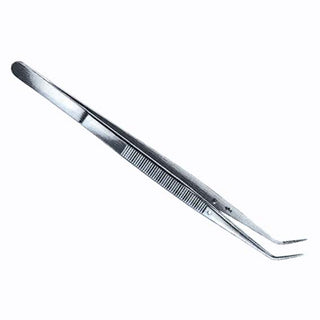

Surgical instruments help Australian healthcare teams perform examinations, minor procedures, wound care, diagnostic checks and clinical training with greater precision and safety. From forceps and scalpels to scalpel blades, vaginal speculums, proctoscopes and cervical dilators, each instrument supports a specific role within medical and diagnostic workflows.
For hospitals, GP clinics, women’s health services, day procedure rooms, aged care providers, universities and simulation labs, reliable surgical equipment matters. The right product selection supports infection control, clinician confidence, procurement efficiency and patient care.
What are surgical instruments used for?
Surgical instruments are medical tools used to examine, hold, cut, separate, dilate, grasp or prepare tissue during clinical care. They may support diagnostic examinations, minor surgery, wound management, gynaecology, proctology, sampling, dressing changes and healthcare education.
Common uses include:
- Holding or grasping tissue with forceps
- Cutting with scalpels and scalpel blades
- Supporting cervical and vaginal examinations
- Assisting rectal or proctology examinations
- Preparing sterile procedure areas
- Training students in safe clinical technique
- Supporting minor procedure and treatment room workflows
Surgical instruments can be single use, disposable, sterile, reusable or supplied as part of procedure packs. Buyers should choose products based on clinical application, infection risk, reprocessing capacity and local policy.
Types of surgical instruments in this category
This category includes practical medical instruments used across general practice, specialist clinics, hospitals, diagnostic centres and healthcare education.
Forceps for holding, grasping and dressing workflows
Forceps help clinicians hold, grasp, position or remove materials during care. Surgical forceps, dressing forceps, tissue forceps and sponge holding forceps can support wound care, dressing changes, minor procedures and preparation tasks.
Australian buyers often search for “what are forceps used for in surgery” or “where can I buy forceps in Australia”. The answer depends on the clinical task. Dressing forceps may support wound care, while tissue forceps help handle tissue with greater control. Sterile disposable forceps may suit settings that want consistent single use infection control workflows.
Scalpels, scalpel blades and handles
Scalpels support controlled cutting during procedures. A scalpel can be supplied as a disposable complete instrument or as a reusable handle used with replaceable scalpel blades. Common search terms include scalpels, scalpel blades, surgical blades, scalpel handles and scalpel blade sizes.
Clinics should match the blade and handle to the procedure, clinician preference and safety requirements. Teams should also manage sharps disposal carefully, since used scalpel blades create injury risk. Safe storage, correct handling and approved sharps disposal help protect staff and patients.
Vaginal speculums for women’s health examinations
Vaginal speculums help clinicians view the vaginal canal and cervix during gynaecological examinations, screening procedures and women’s health assessments. They may be available in different sizes, materials and disposable or reusable formats.
For buyers searching “what is a vaginal speculum used for”, a concise answer is that it supports visual examination and access during appropriate clinical procedures. Medical centres, women’s health clinics and teaching facilities should choose speculums based on patient comfort, clinical use, sterility, lighting requirements and disposal or reprocessing procedures.
Proctoscopes for rectal examination workflows
Proctoscopes support visual examination of the anal canal and lower rectum. They may be used in specialist clinics, surgical practices, teaching environments and diagnostic assessment settings.
Product choice depends on intended use, patient comfort, clinician visibility, sterility requirements and whether the facility prefers disposable or reusable devices.
Cervical dilators for gynaecology and clinical procedures
Cervical dilators help clinicians gradually dilate the cervix when required for specific gynaecological procedures. Buyers should treat cervical dilators as clinical instruments that require careful product selection, appropriate training and strong infection control processes.
Facilities should check size range, material, sterility status, documentation, storage requirements and reprocessing instructions before purchase.
Disposable versus reusable surgical instruments
Disposable surgical instruments offer single use convenience and can reduce reprocessing workload. They may suit high turnover clinics, outreach services, emergency settings, teaching labs and facilities without onsite sterilisation capacity.
Reusable surgical instruments can offer long term value when a facility has validated cleaning, packaging, sterilisation, storage and tracking systems. The RACGP states that validation confirms reprocessing procedures, including sterilisation, will consistently yield sterile reusable medical devices and equipment. Read the RACGP guidance on validating reprocessing procedures.
The best option depends on:
- Procedure type
- Sterility requirements
- Available reprocessing facilities
- Storage capacity
- Staff training
- Cost per use
- Waste and sustainability goals
- Supplier reliability
Infection control and compliance considerations
Surgical instruments must support safe clinical practice. The Australian Commission on Safety and Quality in Health Care explains that infection prevention and control measures help reduce the risk of infection transmission between patients, providers and others in healthcare environments. See the Commission’s infection prevention and control guidance.
In practice, healthcare teams should:
- Check packaging integrity before using sterile instruments
- Separate sterile and non sterile stock
- Follow aseptic technique during procedures
- Store instruments clean, dry and protected
- Dispose of single use instruments correctly
- Manage sharps through approved containers
- Follow manufacturer instructions for reusable instruments
- Train staff in handling, storage and reprocessing procedures
The Therapeutic Goods Administration explains that medical devices can diagnose, prevent, treat and monitor medical conditions, and regulates medical devices in Australia. Suppliers and healthcare buyers should consider device status, intended use and relevant documentation when sourcing clinical instruments. See the TGA’s medical devices overview.
How to choose surgical instruments for clinics and training environments
Procurement teams should match surgical instruments to the setting and workflow. A GP clinic may need scalpels, scalpel blades, forceps and disposable speculums for minor procedures and examinations. A women’s health clinic may prioritise vaginal speculums and cervical instruments. A university simulation lab may need durable teaching instruments for repeated practice.
Key buying considerations include:
- Instrument type and clinical purpose
- Sterile or non sterile supply
- Single use or reusable format
- Material and durability
- Size range and ergonomic handling
- Compatibility with procedure packs
- Packaging and labelling clarity
- Storage and stock rotation
- Reorder reliability
- Waste and disposal requirements
Standardising common surgical equipment can reduce ordering errors and improve training. It also helps staff locate the correct tool quickly during procedure setup.
Storage, durability and safer workflows
Good storage protects surgical instruments and improves clinical efficiency. Keep sterile stock in clean, dry areas away from damage, moisture and excessive handling. RACGP guidance on storing sterilised reusable medical devices states that sterile stock must be stored in a way that keeps it clean, dust free and dry.
Facilities should also inspect packaging, rotate stock and remove damaged items from circulation. For sharps such as scalpels and scalpel blades, safe handling begins before the procedure and continues through disposal. Clear storage systems support contamination prevention, staff safety and faster room preparation.
Buy surgical instruments in Australia
Surgical instruments support safe, accurate and efficient healthcare workflows across Australian clinics, hospitals, diagnostic services and education settings. Forceps, scalpels, scalpel blades, handles, vaginal speculums, proctoscopes and cervical dilators each play a practical role in examination, minor procedure and clinical training environments.
Medilab supports Australian healthcare, diagnostic and education buyers with dependable medical and diagnostic supplies. For teams sourcing surgical instruments, surgical equipment, forceps, scalpels and scalpel blades, a trusted Australian supplier can help improve product availability, procurement confidence and day to day procedure readiness.
References
Australian Commission on Safety and Quality in Health Care 2026, Infection prevention and control, accessed June 2026, https://www.safetyandquality.gov.au/clinical-topics/infection-prevention-and-control.
Royal Australian College of General Practitioners 2024, Validating reprocessing procedures, accessed June 2026, https://www.racgp.org.au/running-a-practice/practice-standards/racgp-infection-prevention-and-control-guidelines/10-reprocessing-reusable-medical-devices/validating-reprocessing-procedures.
Therapeutic Goods Administration 2026, Medical devices, accessed June 2026, https://www.tga.gov.au/products/medical-devices.