



Dental extraction tools support controlled tooth removal procedures across Australian dental clinics, oral surgery settings, education providers and healthcare environments. Within this category, dental forceps, extraction forceps, dental elevators, luxators, root tip picks and root tip elevators help clinicians manage extraction workflows with precision, visibility and control.
For buyers searching “dental extraction tools”, “dental forceps”, “extraction forceps” or “dental elevators”, the priority is usually practical. They need durable dental instruments that support clinical handling, infection control, accurate instrument selection and efficient procurement.
What are dental extraction tools used for?
Dental extraction tools are instruments used to loosen, elevate, grip or remove teeth and root fragments during tooth extraction procedures. They form part of the broader dental products and dental surgical instruments category.
Common tooth extraction instruments include:
- Dental elevators
- Dental luxators
- Root tip picks
- Root tip elevators
- Dental forceps
- Extraction forceps
- Upper and lower forceps
- Surgical dental instruments for oral surgery workflows
Each instrument type supports a different part of the extraction process. The correct selection depends on clinical need, tooth position, root shape, access, user technique and local practice procedures.
Dental elevators, luxators and forceps compared
Dental elevators, luxators and forceps work together in many extraction workflows, but they do not perform the same function.
Dental elevators
Dental elevators help loosen teeth or root structures by applying controlled leverage. They may support access before forceps use or assist with root removal in selected cases.
Dental luxators
Dental luxators are fine instruments used to help separate periodontal ligament fibres and support less traumatic movement of the tooth. They are often discussed in modern searches around atraumatic extraction instruments and minimally invasive dental extraction tools.
Dental forceps and extraction forceps
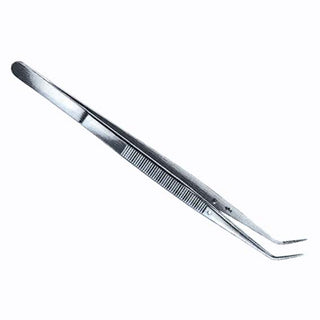
Dental forceps grip the tooth for controlled removal after adequate loosening. Extraction forceps come in different shapes to suit upper teeth, lower teeth, molars, premolars, anterior teeth or root fragments.
For buyers asking “what is the difference between dental elevators and forceps”, the simple answer is that elevators help loosen or elevate, while forceps help grasp and remove.
Root tip picks and elevators for detailed extraction work
Root tip picks and root tip elevators support careful handling of retained root tips or fragments. They are used when access, visibility and fine control matter.
These instruments may be searched as root tip picks, dental root elevators, root tip elevators or root removal instruments. They belong naturally in a tooth extraction category because they support the more detailed stages of oral surgery and extraction workflows.
When sourcing root tip picks and elevators, buyers should consider tip design, handle control, durability, cleaning compatibility and how the instruments fit into existing surgical trays or cassettes.
What instruments are used for tooth extraction?
A tooth extraction setup may include diagnostic instruments, dental mirrors, probes, local procedure supplies, elevators, luxators, extraction forceps and root tip instruments. The exact setup depends on the procedure and the practitioner’s clinical judgement.
For procurement teams, this means extraction categories should not focus on one instrument alone. A stronger purchasing approach considers the full workflow, including:
- Initial assessment and visibility
- Instrument access and control
- Loosening and elevation
- Tooth or root removal
- Cleaning and reprocessing
- Storage and tray organisation
- Replacement of worn or damaged instruments
This broader workflow focus helps clinics reduce delays and maintain consistent instrument availability.
Choosing dental extraction instruments for Australian clinics
Australian dental buyers should choose dental extraction tools based on clinical workflow, instrument quality, user comfort and reprocessing needs. A dental clinic may need a dependable core range of elevators and forceps. An education provider may need repeatable instrument sets for dental students and simulation training.
Key buying considerations include:
- Intended use and tooth type
- Upper or lower forceps requirements
- Handle grip and balance
- Tip shape and working end design
- Stainless steel quality
- Reusable instrument durability
- Compatibility with trays and cassettes
- Ease of cleaning and reprocessing
- Availability of replacement instruments
- Suitability for clinical or education use
The best extraction instruments support both precision and practical daily handling.
Infection control and reusable dental extraction tools
Reusable dental extraction tools require careful cleaning, reprocessing and storage. The Dental Board of Australia states that dental practitioners must practise in a way that prevents or minimises the risk of infection spread. Dental teams should follow workplace procedures, manufacturer instructions and relevant infection prevention guidance.
The Australian Dental Association also provides infection prevention and control resources to help dental practices apply national standards, guidelines and handbooks. For extraction forceps, dental elevators and other surgical dental instruments, this makes reprocessing compatibility a key procurement consideration.
Instrument selection should support efficient infection control workflows, not complicate them. Dental practices should check that reusable instruments can move safely through their cleaning, inspection, sterilisation, storage and documentation process.
Safety, ergonomics and modern extraction workflows
Modern dental extraction workflows focus on patient safety, clinical control and staff wellbeing. Instrument design can influence grip, hand fatigue, access and handling confidence.
Safe Work Australia notes that hazardous manual tasks can place stress on the body and contribute to injury in healthcare and social assistance work. In dental settings, this reinforces the value of instruments that support controlled handling, suitable grip and efficient workflows.
Buyers should consider:
- Comfortable handle design
- Reliable tactile control
- Suitable working end shape
- Practical tray organisation
- Clear instrument identification
- Staff familiarity and training needs
- Replacement planning for worn instruments
Good ergonomics supports efficiency, particularly in busy clinics and teaching environments where instruments are handled repeatedly.
Storage, organisation and contamination prevention
Dental extraction tools should be stored in a way that protects instrument tips, supports clean workflows and reduces unnecessary handling. Trays and cassettes can help organise extraction forceps, dental elevators, luxators and root tip instruments by procedure type.
Good storage practice includes:
- Keep clean instruments separate from used instruments
- Store forceps and elevators in designated trays or cassettes
- Inspect working ends before use
- Remove damaged instruments from circulation
- Keep extraction sets complete and easy to locate
- Follow manufacturer instructions for care and maintenance
- Train staff and students in safe instrument movement
A clear storage system supports contamination prevention, workflow efficiency and stock control.
Dental extraction tools for education and training
Dental schools, universities and training providers need extraction instruments for practical learning, demonstration and simulation environments. Students need to understand instrument names, handling differences and the role of each tool in an extraction setup.
Education buyers often need products that are durable, consistent and easy to reorder. Standardised sets can help instructors teach the differences between dental elevators, luxators, extraction forceps and root tip picks.
This category also supports related needs across laboratory supplies, scientific equipment, simulation training, dental mirrors, diagnostic instruments and infection control supplies.
Sustainability and smarter procurement
Australian healthcare buyers increasingly consider sustainability, waste reduction and value when purchasing dental equipment. For reusable dental extraction instruments, sustainability comes from durability, proper care, correct storage and planned replacement rather than unnecessary over-ordering.
Procurement teams can improve efficiency by:
- Standardising core extraction instruments
- Ordering suitable quantities by room or clinic
- Consolidating purchases with trays and infection control supplies
- Maintaining instruments correctly
- Replacing damaged items promptly
- Reviewing stock usage across departments
- Training staff to reduce avoidable damage
Smarter procurement supports safety, compliance, cost control and reliable instrument availability.
Buy dental extraction tools in Australia
Dental extraction tools, dental forceps, extraction forceps, dental elevators, luxators and root tip instruments all support controlled tooth extraction workflows. The right instruments help Australian clinics, education providers and healthcare teams maintain accuracy, safe handling and consistent daily performance.
Medilab supports Australian buyers with dependable dental products, dental surgical instruments and related infection control supplies. For teams sourcing dental extraction tools, dental forceps, extraction forceps and dental elevators, choosing a trusted Australian supplier can improve procurement confidence, stock reliability and workflow efficiency.
References
Australian Dental Association 2026, Infection Prevention and Control, accessed June 2026, https://ada.org.au/explore/topics/infection-prevention-and-control.
Dental Board of Australia 2026, Infection prevention and control, accessed June 2026, https://www.dentalboard.gov.au/Codes-Guidelines/Infection-prevention-and-control.aspx.
Safe Work Australia 2026, Hazardous manual tasks, accessed June 2026, https://www.safeworkaustralia.gov.au/book/health-care-and-social-assistance/hazards-risks-and-controls/hazardous-manual-tasks.